All Categories
Featured
Table of Contents
- – The Evolution of Authority Signals in 2026
- – How brand strategy Impacts Modern Search Rankings
- – Data-Driven Storytelling and Link Destination
- – The Death of Low-Tier Outreach and the Rise of...
- – Sentiment and Contextual Importance
- – Future-Proofing SEO Through Brand Structure
- – The Function ofexpert content in Multichannel ...

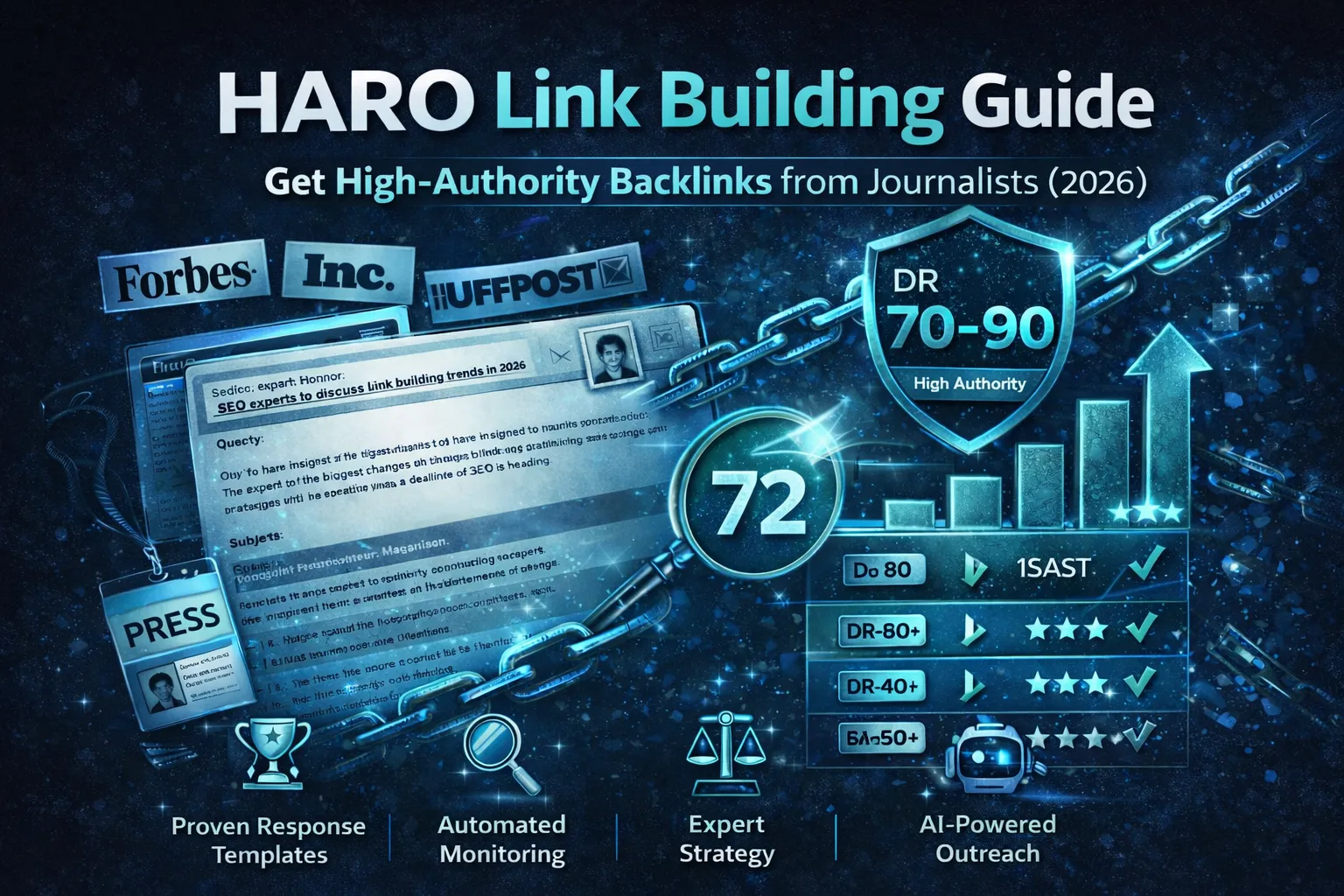
Online search engine in 2026 have actually moved past the period of easy link quantity. The focus has shifted toward the quality of brand name discusses and the context in which those discusses appear. Modern ranking systems now use advanced AI designs to figure out if a backlink is a by-product of genuine brand name authority or a calculated effort to control results. Strategic digital PR stands at the center of this change, offering the high-quality signals that online search engine focus on over conventional, lower-tier link-building methods.
The Evolution of Authority Signals in 2026
The 2026 search scene is specified by a deep combination of brand name belief and citation precision. For years, specialists concentrated on securing as many links as possible, often disregarding the editorial worth of the source. Today, search algorithms weigh the reputational standing of the referring website as greatly as the link itself. Digital PR works by protecting placements in reputable news outlets, industry journals, and high-traffic blogs that have their own recognized trust scores. These positionings are not just links; they are endorsements that browse engines analyze as proof of importance and know-how.
Conventional link structure typically included reaching out to small blog writers for guest posts. In 2026, these techniques offer diminishing returns. Instead, the demand for Link Guidelines continues to grow due to the fact that it produces links that are almost difficult to replicate through automated ways. When a major national news site or a specialized trade publication referrals an organization, the resulting link carries a level of weight that countless directory site links can not match. This shift reflects a wider pattern toward "earned" media, where the value is discovered in the problem of acquisition.
How brand strategy Impacts Modern Search Rankings
Search engines now search for a consistent trail of brand mentions throughout the web to confirm a company's claims of authority. This process, typically referred to as entity verification, counts on digital PR to create a footprint of mentions that line up with particular subjects. If a brand is regularly pointed out in conversations about financing, the search engine starts to associate that brand name entity with monetary knowledge. This association is a primary driver for rankings in 2026, especially for questions that fall under the categories of health, wealth, or safety.
The success of Modern Ranking Strategy Frameworks provides the needed signals to confirm that a website is a leader in its field. This includes more than simply getting a name in a post. It needs an existence in pieces that supply genuine worth to the reader. Browse engines can now spot user engagement patterns around these mentions. If readers are clicking through a PR-driven link and spending quality time on the target website, the ranking advantage is amplified. This creates a cycle where premium PR results in much better search efficiency, which in turn leads to more natural exposure.
Data-Driven Storytelling and Link Destination
One of the most efficient approaches in the present 2026 market involves the production of initial information sets. Journalists are continuously trying to find fresh stats and insights to support their stories. By conducting exclusive research and sharing the findings, businesses can draw in natural links from a variety of sources. This technique bypasses the requirement for manual outreach since the material itself ends up being a resource that others wish to mention. The links gotten through information research studies are often the most valuable in a profile because they come from editorial groups that are highly selective about what they link to.
Initial research likewise assists in protecting mentions in AI-generated search summaries. As AI agents become more prevalent in how individuals find info in 2026, these representatives focus on sources that provide unique, accurate information. If a brand name's data is the source of an AI's response, the brand gets a citation that operates as a high-authority mention. This type of exposure is becoming as essential as conventional blue-link rankings, as it places the brand name directly in the path of the user's discovery process.
The Death of Low-Tier Outreach and the Rise of Editorial Standards
The 2026 algorithm has actually effectively reduced the effects of numerous of the outreach shortcuts used in previous years. Automated e-mail projects and mass-produced content are now quickly flagged by search filters. This has actually forced a go back to standard PR worths, where relationships and content quality are the most important factors. Digital PR professionals must act more like journalists, recognizing hooks that will actually intrigue an editor rather than just asking for a link insertion. This high barrier to entry ensures that just the most deserving brand names reach the top of the search results page.
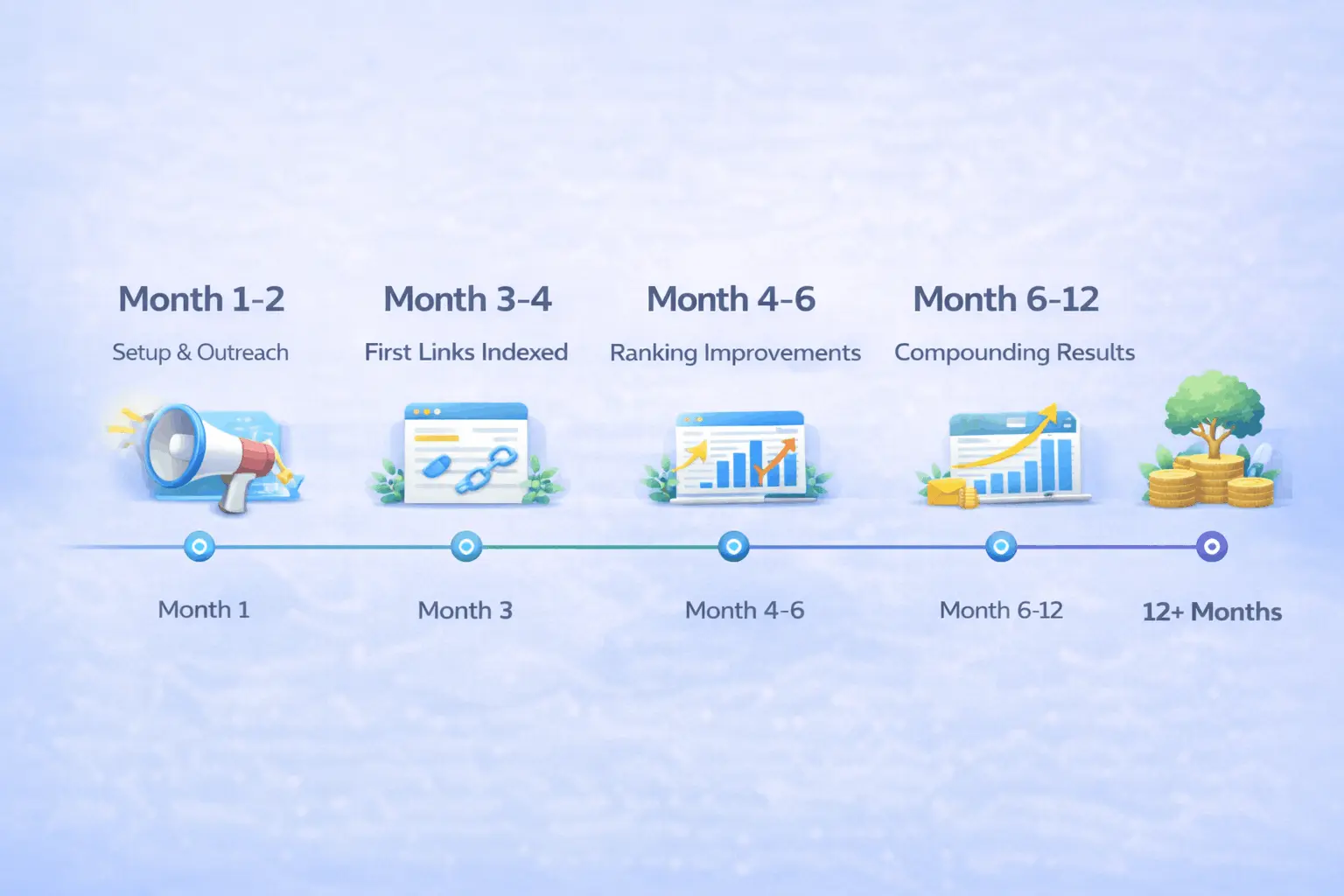
Focusing on Network SEO for Digital Portfolios has proven efficient for companies that want to develop a sustainable online presence. Rather of chasing after short-term ranking spikes, these businesses purchase long-lasting visibility through reliable channels. This strategy secures the site from future algorithm updates, as earned media is seldom penalized by online search engine. Most updates in 2026 have actually further rewarded sites that show a clear history of editorial discusses, making digital PR a core element of any risk-management strategy for SEO.
Sentiment and Contextual Importance
Contextual significance in 2026 is no longer about just having a keyword in the anchor text. Online search engine now evaluate the belief of the surrounding text to understand the nature of the reference. A link found within a favorable evaluation or a handy how-to guide carries more favorable weight than a link discovered in a neutral listicle. Digital PR permits brands to control this context by working with writers to ensure their brand name is discussed in such a way that shows their core worths and competence. This nuanced method to link structure is what separates market leaders from their rivals.
The combination of social signals likewise plays a part in this environment. While social media links are generally "no-follow," the buzz produced by a successful digital PR project can lead to a surge in branded searches. Browse engines see this boost in individuals trying to find a particular brand as a strong indicator of authority. When countless individuals look for a company after seeing them mentioned on a significant news website, the search engine recognizes that the company is a relevant entity for its niche, which frequently leads to an across-the-board ranking improvement for their main keywords.
Future-Proofing SEO Through Brand Structure
As search moves even more into 2026, the distinction between SEO and conventional marketing continues to blur. The most successful SEO techniques are those that concentrate on building a real brand name that individuals acknowledge and trust. Digital PR is the bridge that connects technical optimization with brand name awareness. It guarantees that while the technical side of a website is ideal for spiders, the reputational side is best for people. This double method is needed for anybody wanting to preserve high rankings in an increasingly competitive digital space.
Consistency is likewise a factor that online search engine monitor carefully. A brand name that gets one big mention and after that goes quiet for a year is viewed in a different way than a brand name that preserves a stable stream of media coverage. A sustained digital PR effort reveals online search engine that an organization is an active participant in its market. This ongoing activity develops a "moat" around the brand's rankings, making it harder for new competitors to displace them without a comparable level of financial investment in public perception and earned media.
The Function ofexpert content in Multichannel Growth
Modern digital PR does not exist in a vacuum. It works alongside other marketing channels to produce a merged presence. For instance, an effective PR story can be repurposed for social networks, e-mail newsletters, and internal blog content. Each of these channels reinforces the original authority signal, developing several touchpoints for both users and search engines. In 2026, the goal is to be omnipresent in the niche so that search engines have no option but to recognize the brand name as a top-tier authority.
Lastly, the measurement of digital PR success has matured. While rankings remain a crucial metric, businesses likewise take a look at top quality search volume, referral traffic quality, and citation frequency. These metrics supply a more complete image of how PR is affecting the bottom line. By concentrating on these wider indications of success, business can justify the greater cost and effort associated with digital PR compared to older, less efficient link-building methods. The outcome is a more resistant and reliable online presence that can hold up against the modifications of the search environment for many years to come.

Table of Contents
- – The Evolution of Authority Signals in 2026
- – How brand strategy Impacts Modern Search Rankings
- – Data-Driven Storytelling and Link Destination
- – The Death of Low-Tier Outreach and the Rise of...
- – Sentiment and Contextual Importance
- – Future-Proofing SEO Through Brand Structure
- – The Function ofexpert content in Multichannel ...
Latest Posts
Powerful Digital Marketing Outreach Tools for 2026
Scaling Your Optimized Outreach Framework for Global Authority
Comparing Traditional Vs Modern 2026 SEO Strategies
Latest Posts
Powerful Digital Marketing Outreach Tools for 2026
Scaling Your Optimized Outreach Framework for Global Authority
Comparing Traditional Vs Modern 2026 SEO Strategies